Viewpoints
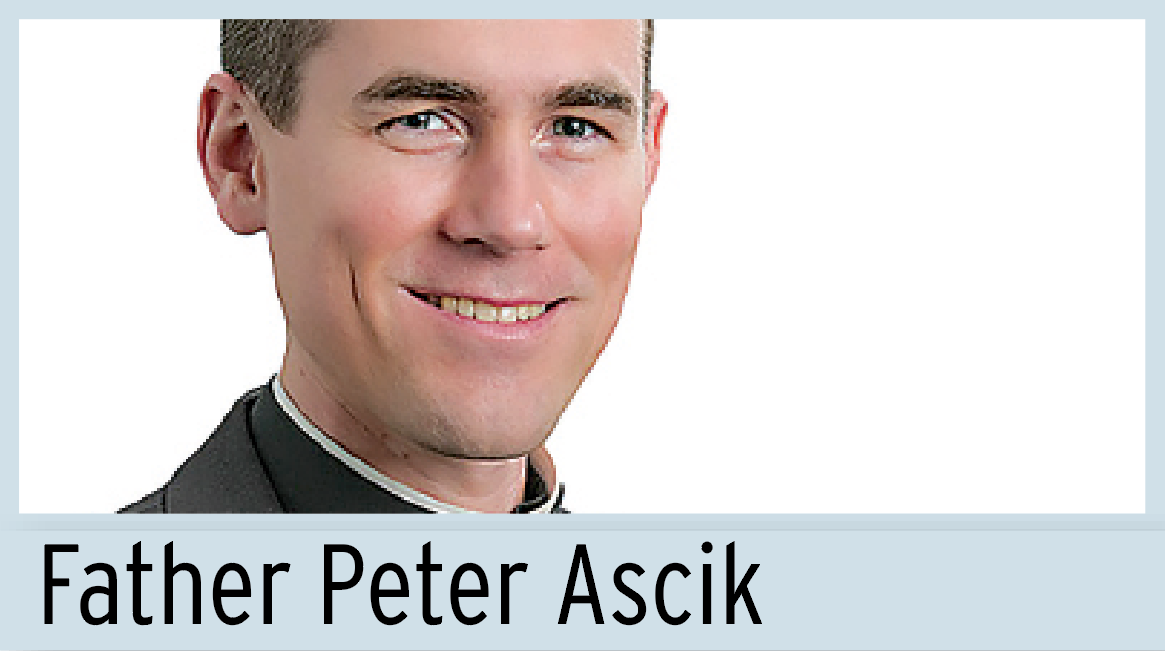
Father Peter Ascik: Fight deadly abortion pills with prayer, action and information
 America is flooded with abortion pills.
These deadly drugs account for more than 60% of all abortions in the United States, causing the deaths of hundreds of thousands of unborn children each year.
The abortion pill is the first drug in a two-dose regimen. First, the mother ingests mifepristone, which causes the death of her unborn child. Then, after 24-48 hours, she takes misoprostol, which induces labor to expel the deceased child’s body from her womb.
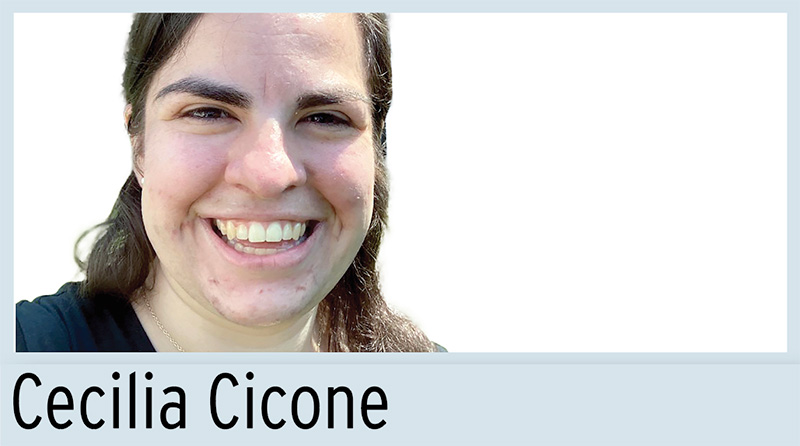
Cecilia Cicone: Keeping the faith when dealing with mental illness
 When you’re sick, it impacts nearly every aspect of your life. If you can’t get out of bed in the morning, you can’t go to work, you can’t socialize with other people and you can’t cook your own meals. It takes all your energy just to heal.
Effie Caldarola: Choose life – even for convicted murderers
 During Nebraska’s long struggle to end the death penalty, a weekly protest was held outside the governor’s mansion.
Norma was an elderly woman who had long opposed the death penalty. As she grew frail, she still went faithfully, rain or shine, to the corner where protesters gathered. No longer able to stand up for long periods, Norma protested from a chair.
Katie Yoder: The painful reality of abortion
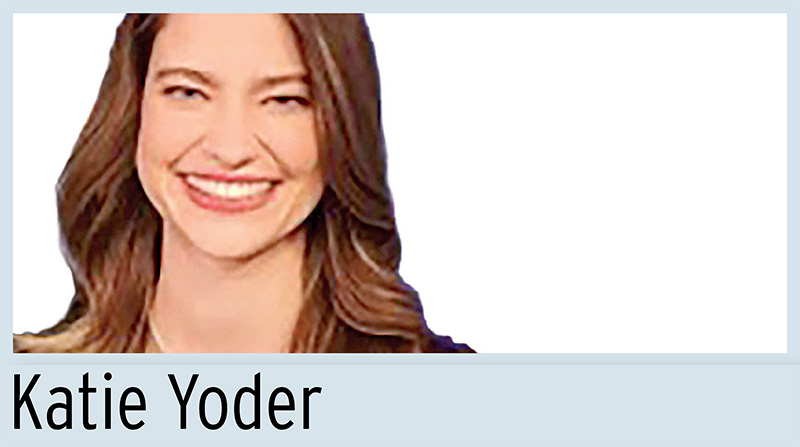 At the end of every March for Life I see them: Dozens of women in front of the U.S. Supreme Court in Washington holding up signs that read, “I Regret My Abortion.” They share their stories each year with tens of thousands of pro-life marchers – and writers like me. They talk about the pain abortion inflicts on women. They give faces and names to an issue.
Dr. Hosffman Ospin: The great joy of being Hispanic Catholic
 Someone asked me recently if there was a defining characteristic I would highlight about the experience of being Hispanic Catholic in the United States. So many came to mind: resilience, communality, generosity, openness, religiousness, among others. I chose joy.
Laura Kelly Fanucci: What love teaches us about God
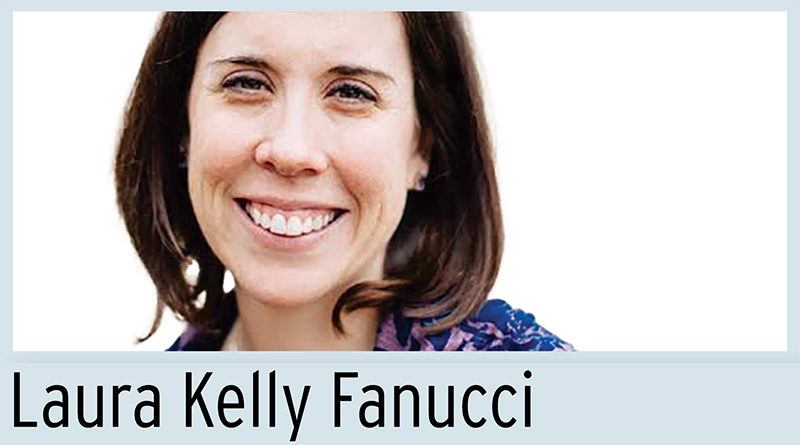 When my husband and I had been married all of three months, we signed up to become a team couple with our local Engaged Encounter program. We had enjoyed the retreat that we took as a requirement of our pre-Cana preparation, surprised to find it fun and helpful, not the drudgery we’d expected.
Memento mori: Remember you must die
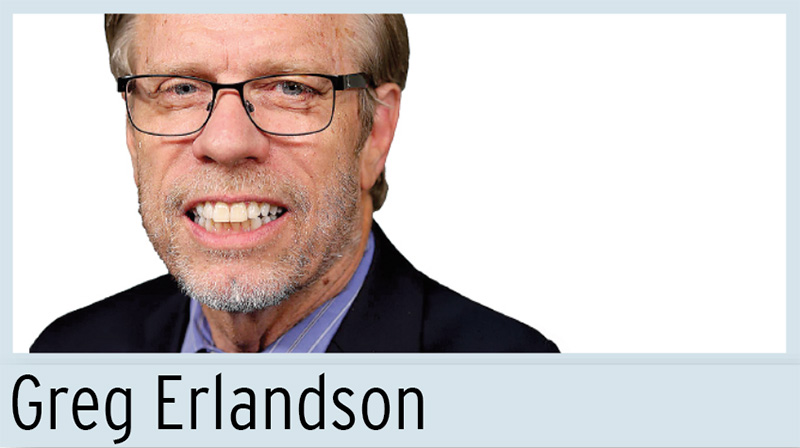 I wonder if you can tell the age of a person by the number of dead people’s phone numbers he still has saved on his phone? It could be like judging the age of a tree by the rings on its core.
Father Joshua J. Whitfield: In heaven as it isn’t on earth
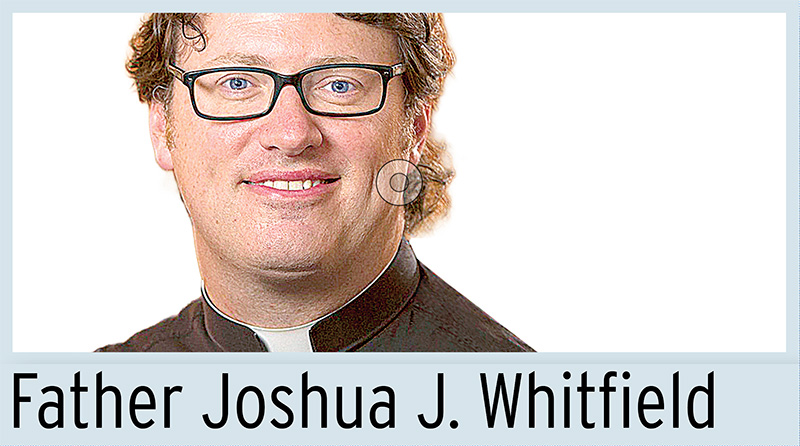 Dorothy Day thought that the parable of the workers from Matthew’s Gospel (Mt 20:1-16a) justified a Catholic’s support for the idea of a living wage. She wrote, “He spoke of the living wage, not equal pay for equal work, in the parable of those who came at the first and the eleventh hour.”
Letters From Our Readers
-
Pope Leo tells us that Christ is ‘the key, the focal point and the goal of all human history’
In last week’s Catholic News Herald (Sept. 4, page 3), Pope Leo XIV urges the faithful to be “attentive to the signs of the times,” to address...
-
Article on culinary school inspires
After reading the Catholic News Herald’s May 29 article “Community Culinary School feeds bishops and dreams,” I found it inspiring what the...
-
Pope sets an example of mercy
Regarding the news brief in the Catholic News Herald’s May 1 edition titled, “Pope Leo encourages death penalty abolitionists,” Pope Leo XIV’s...
-
Choose pope’s voice over politics
Thanks so much for including Elizabeth Scalia’s article in your April 17 edition’s Viewpoints section. In matters of morality, the pope’s words...
-
Pope Leo XIV, Holy Saturday and First Saturdays
Pope Leo XIV often speaks of seeming hopelessness and the need to trust in God’s providence. In a memorable speech, he put it into the context of...
-
Want to make Christmas last? Serve Christ in the poor
A few months ago, I was leaving Blessed Sacrament Church in Providence, Rhode Island, after singing at two English Masses. As I drove to take my...
-
Keep politics out of the paper
I am writing in regard to the article from Archbishop Thomas Wenski in the Viewpoints section of the Nov. 21 edition, “Speak out against unjust laws amid...
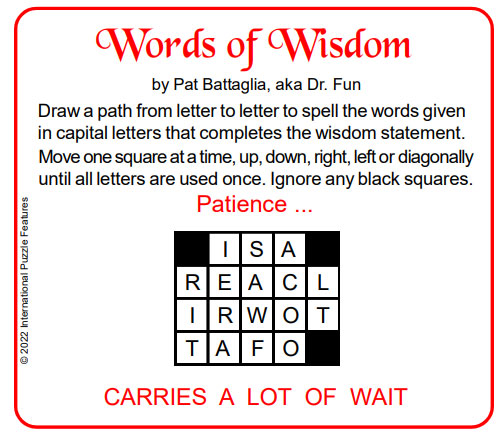
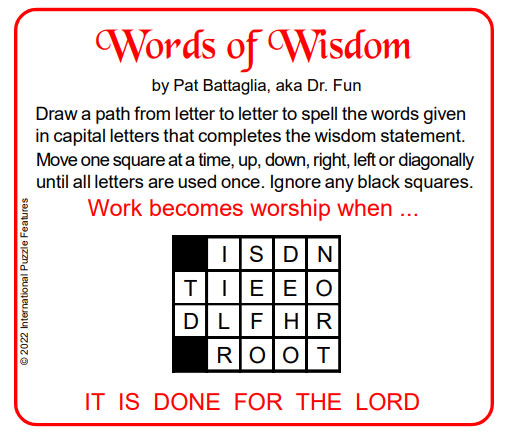
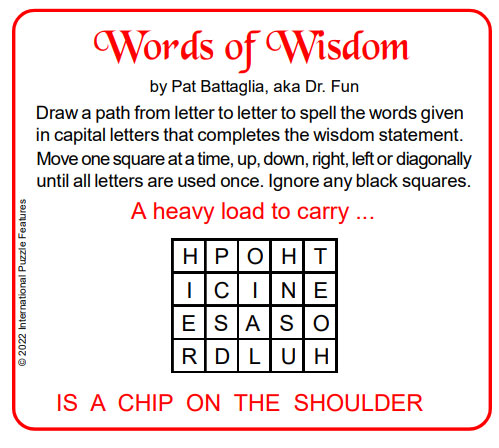
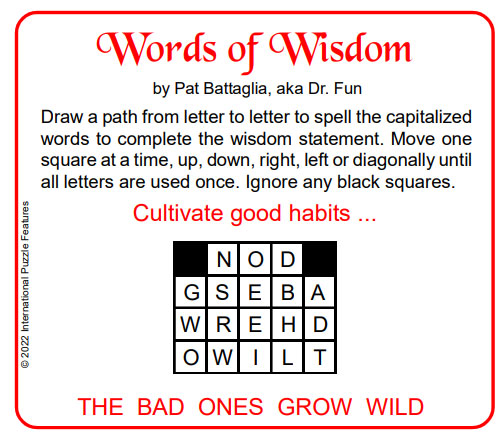
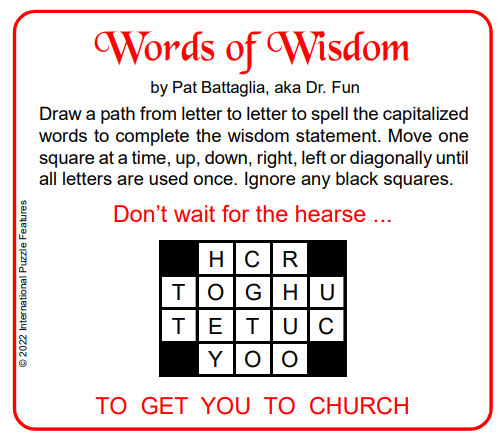
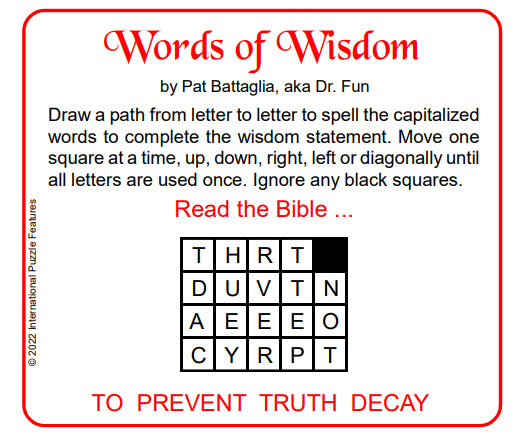
Words of Wisdom


Contact us
Read our E-Edition