

Bishop, clergy, people gather for annual Chrism Mass April 16
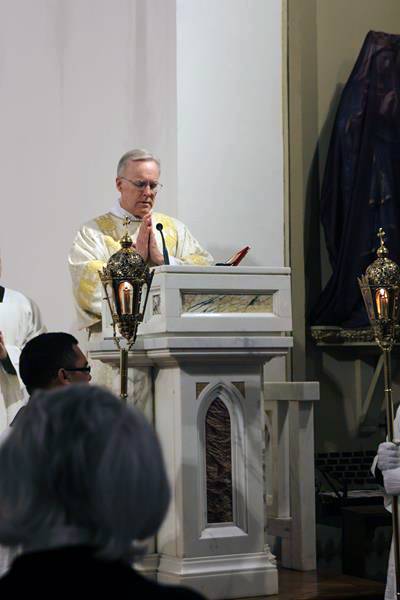
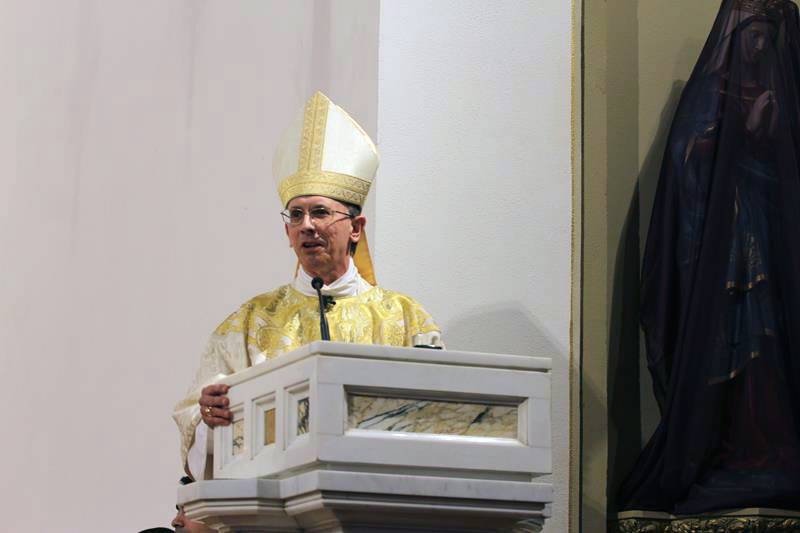
CHARLOTTE — “The call to holiness” – conforming ourselves more closely to Jesus Christ – is what will restore the Church in response to the clergy sexual abuse crisis, Bishop Peter Jugis told his fellow priests during the Chrism Mass April 16.
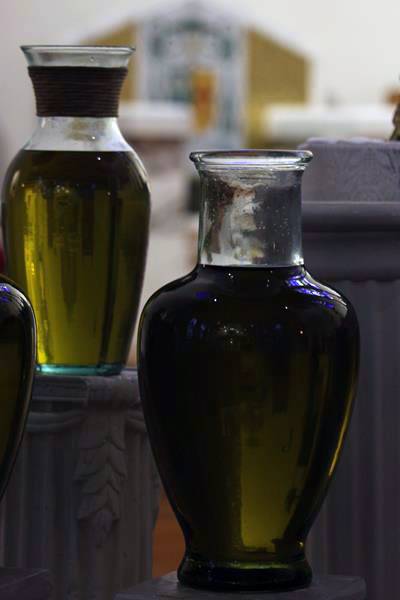
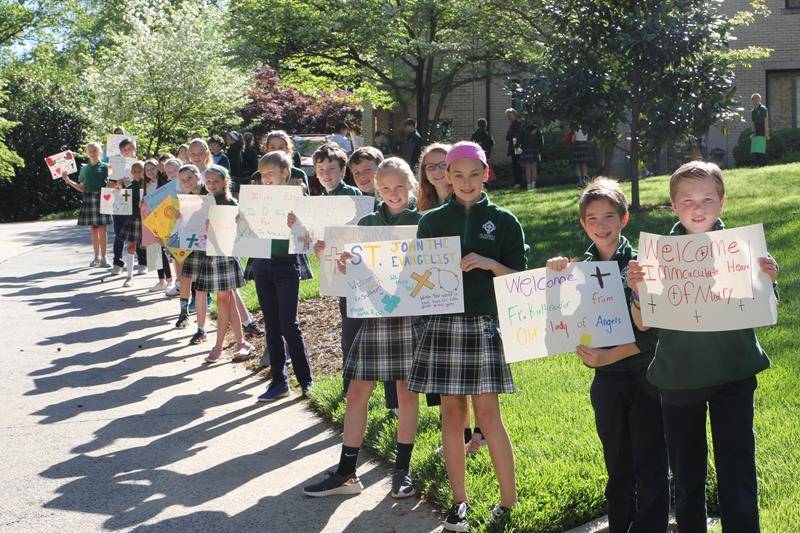
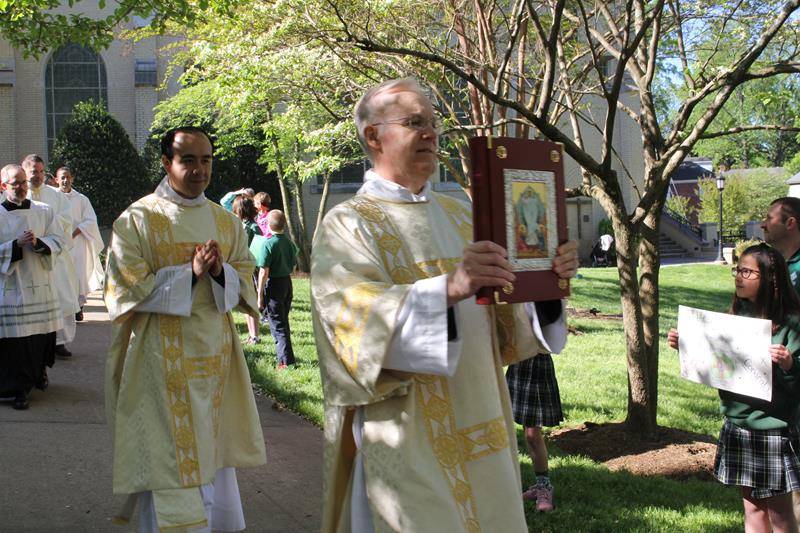
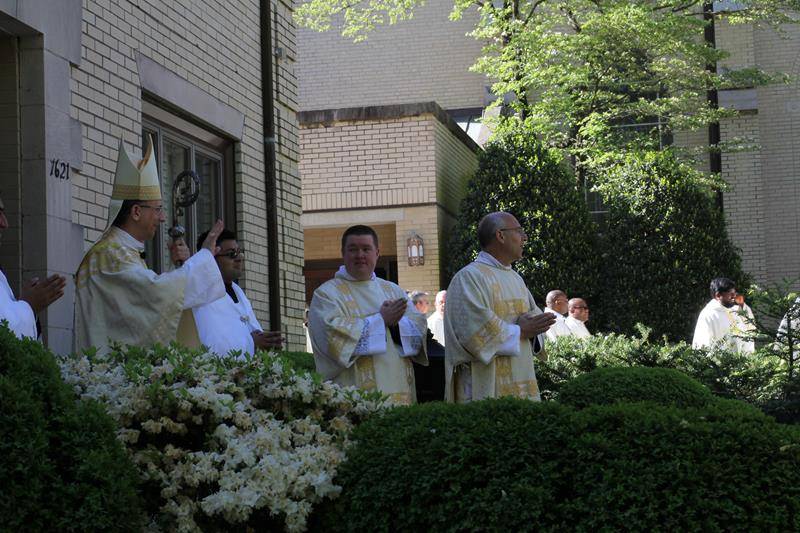
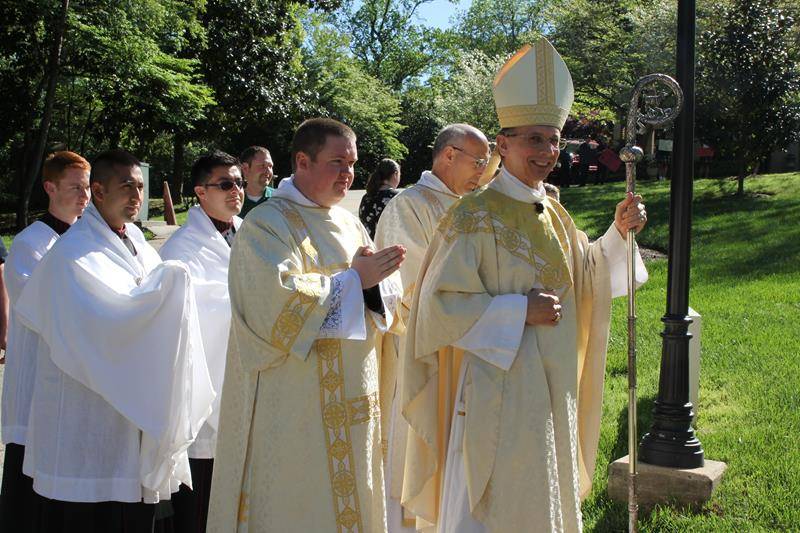
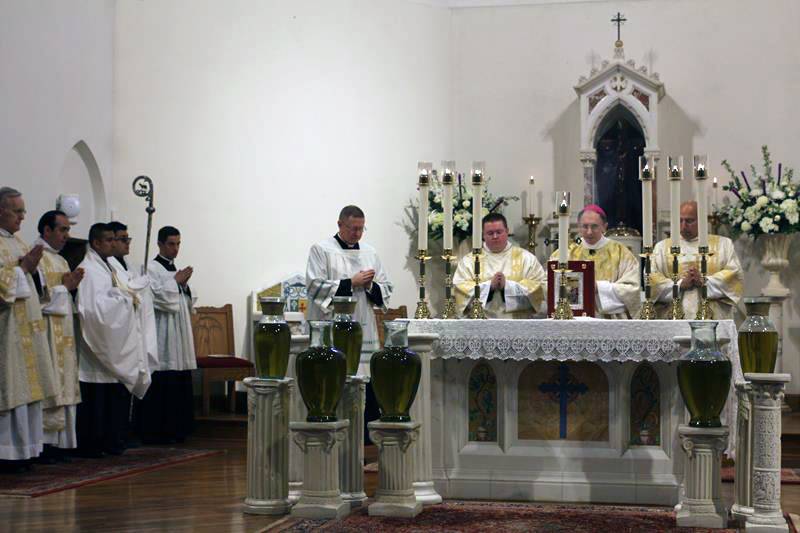
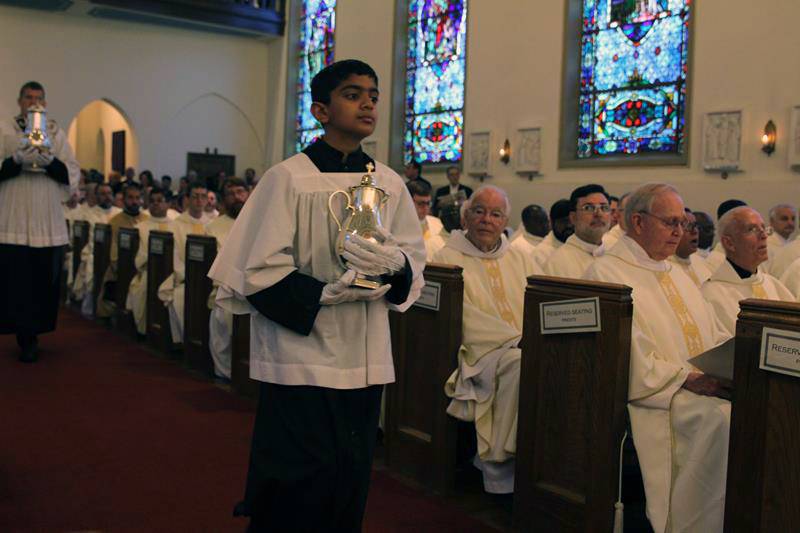
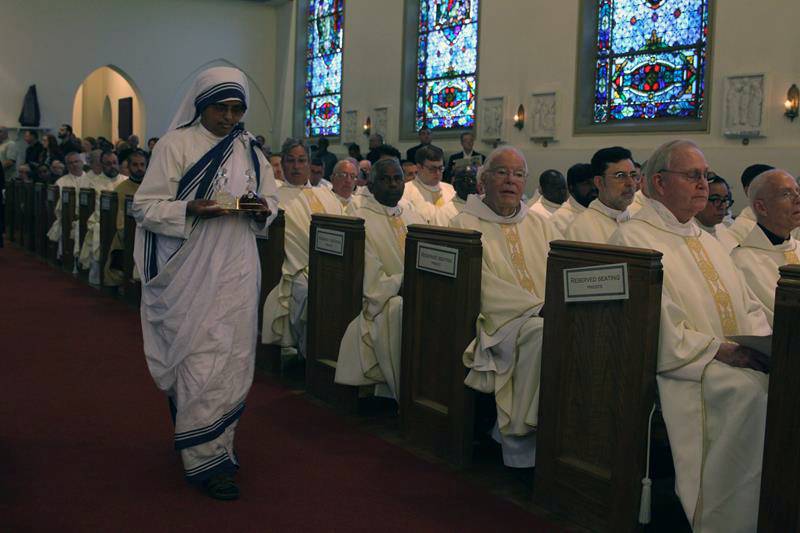
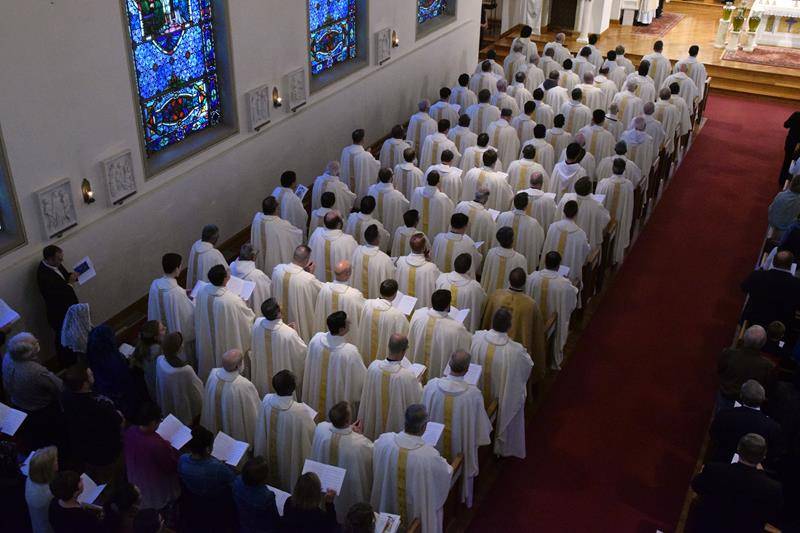
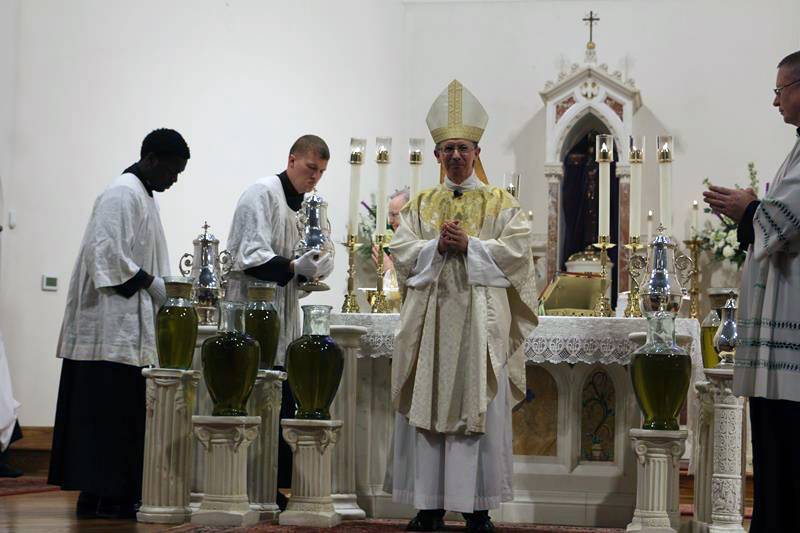
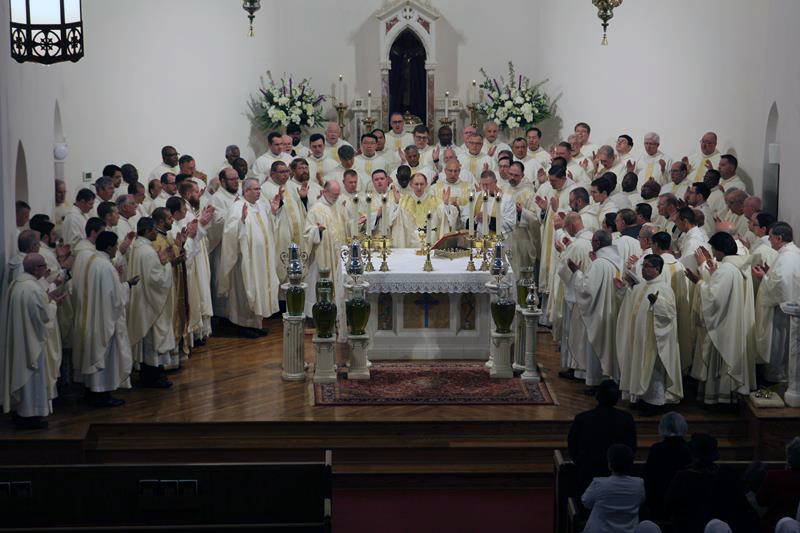
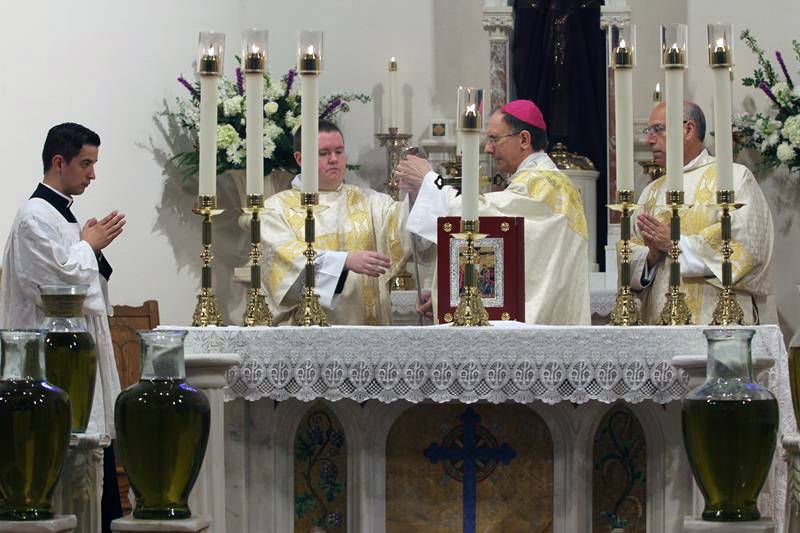
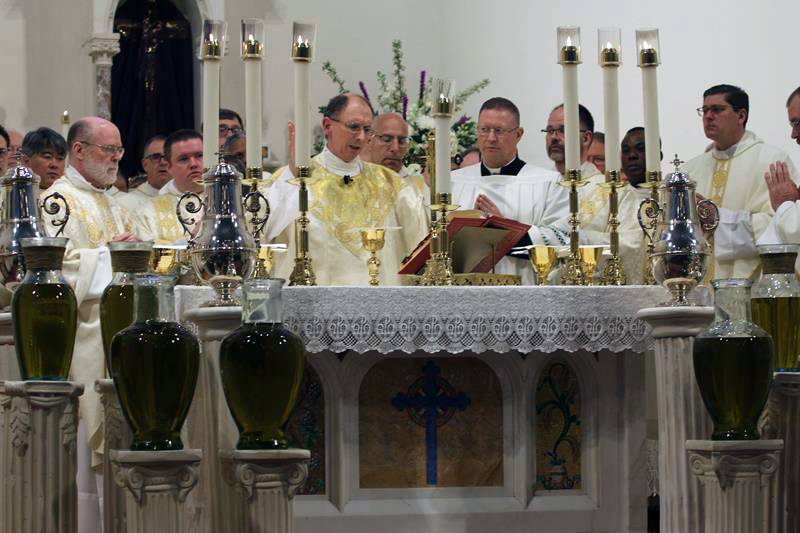
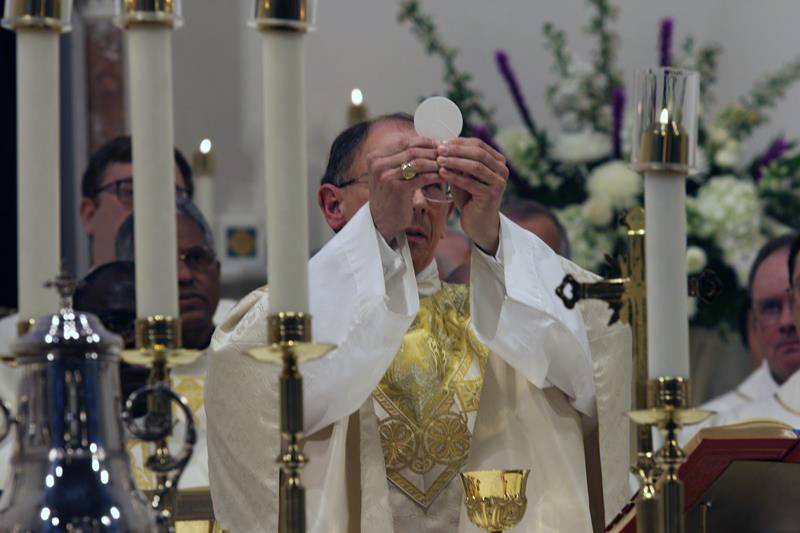
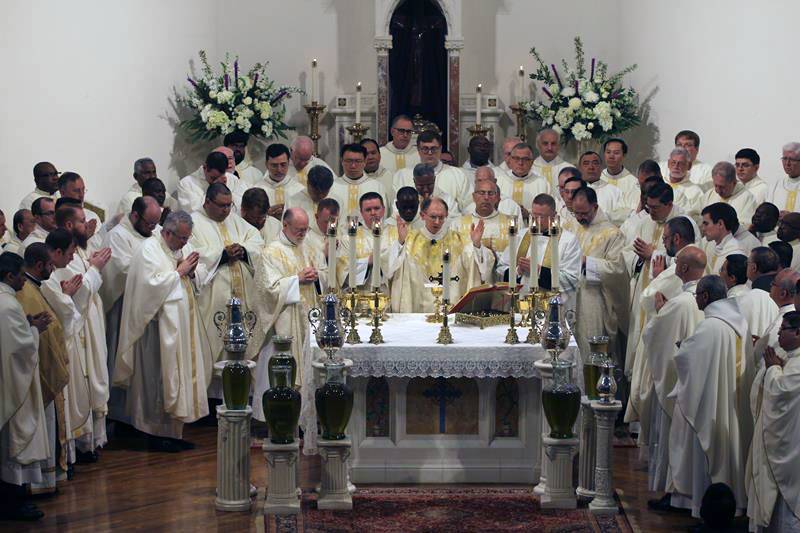
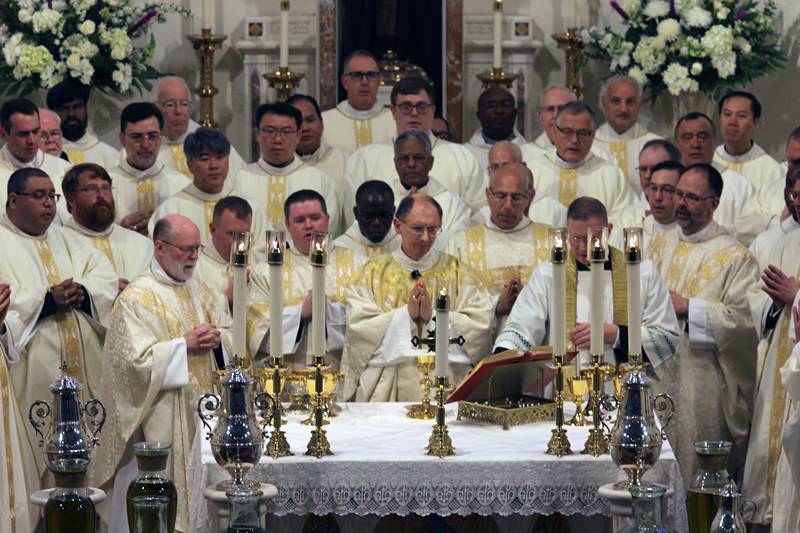
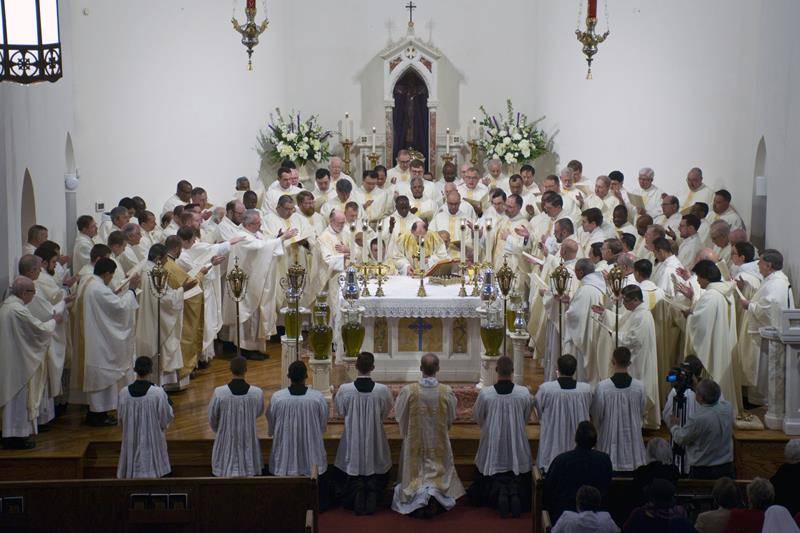
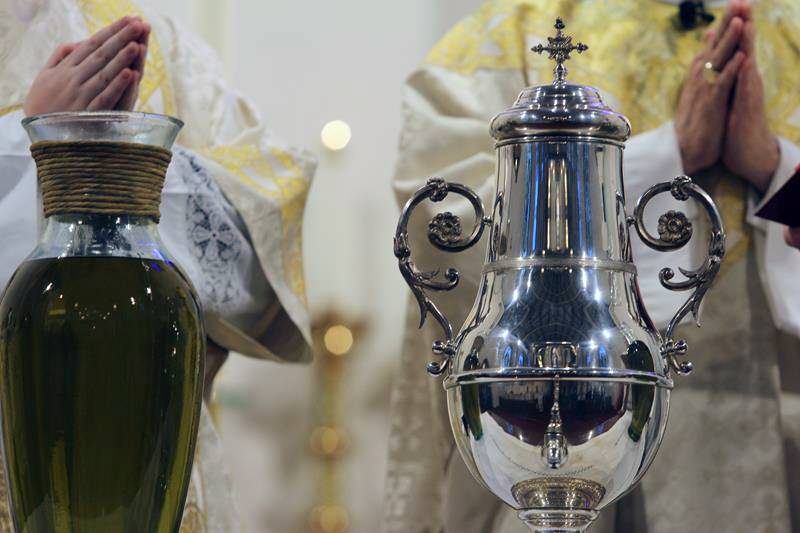
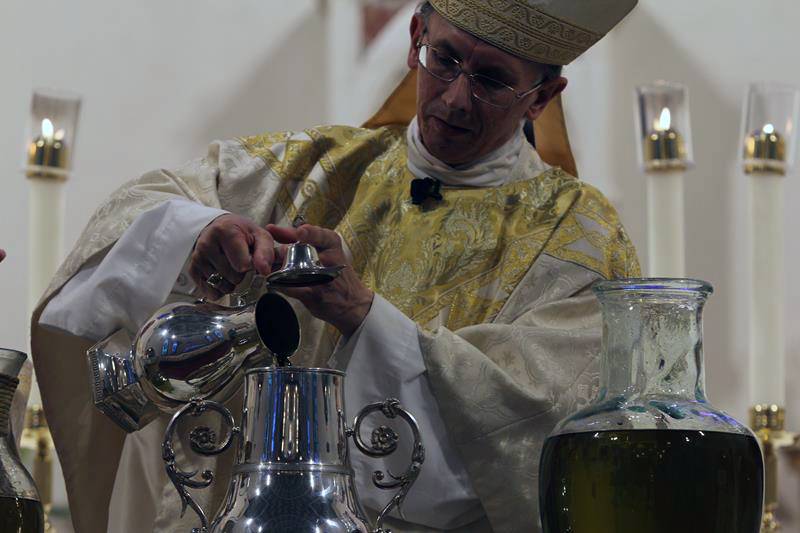
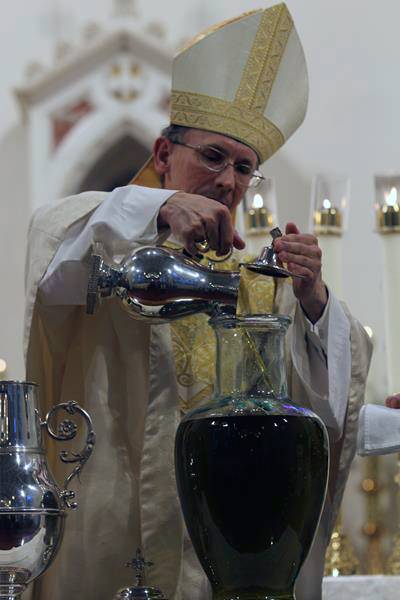
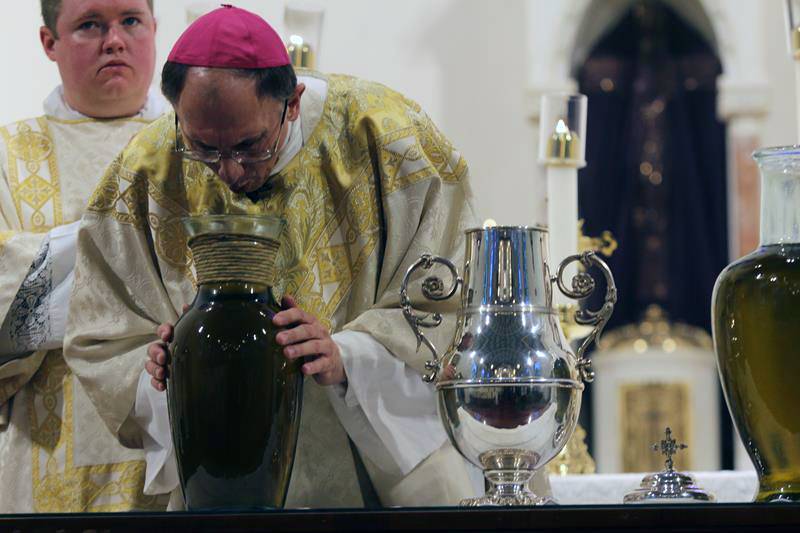
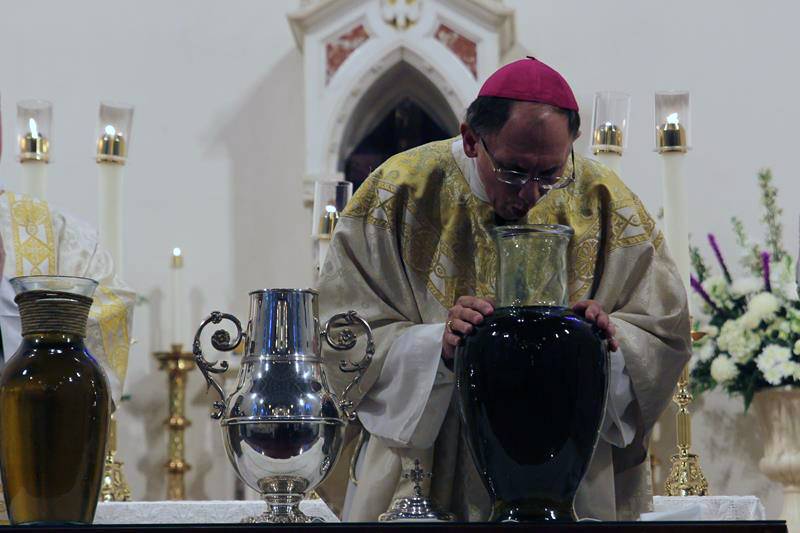
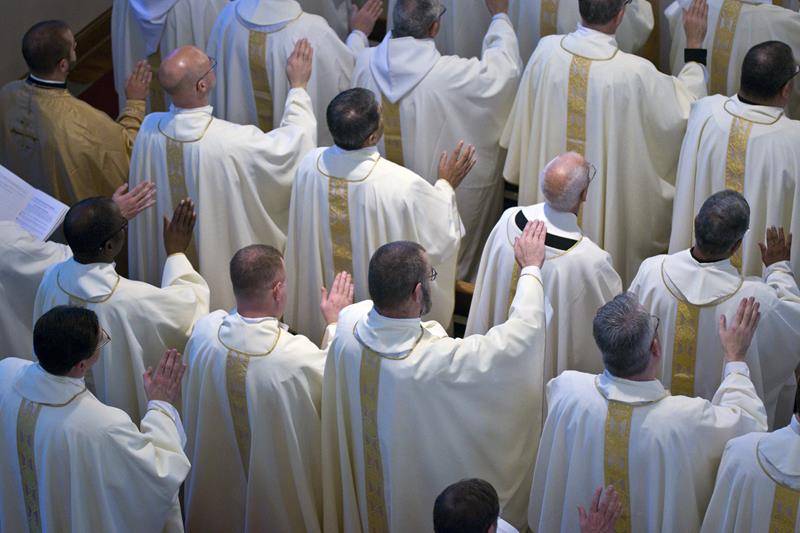
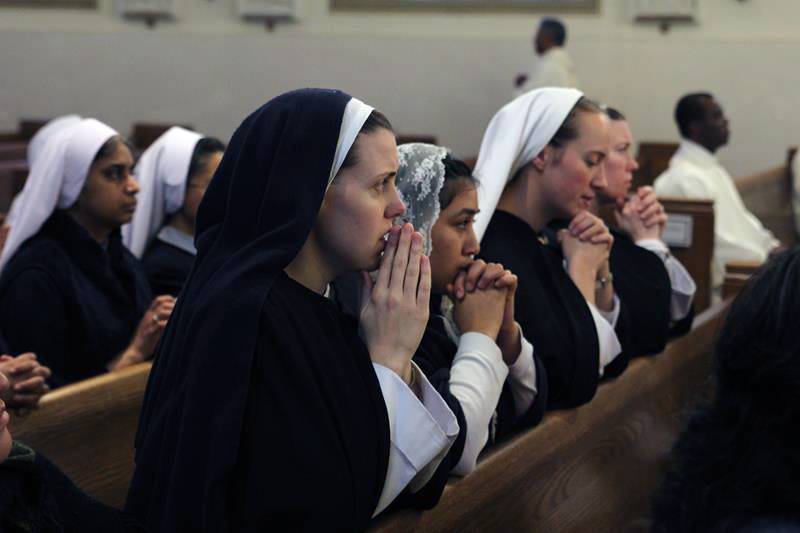
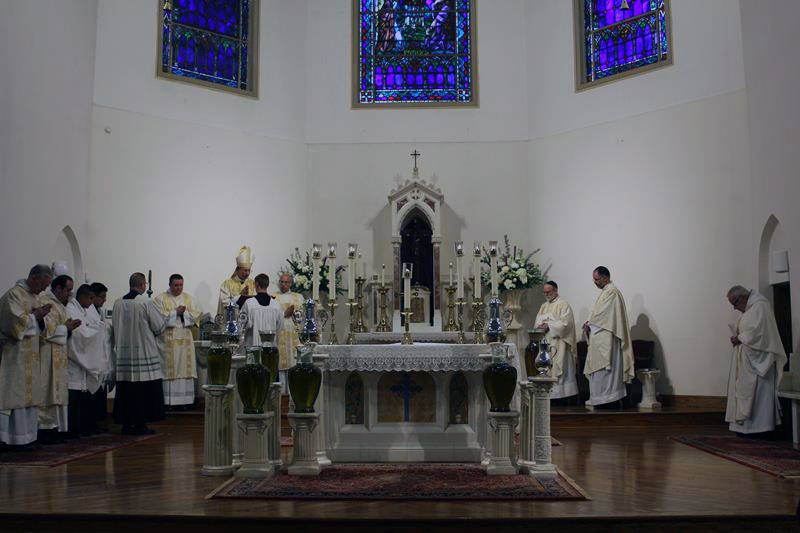
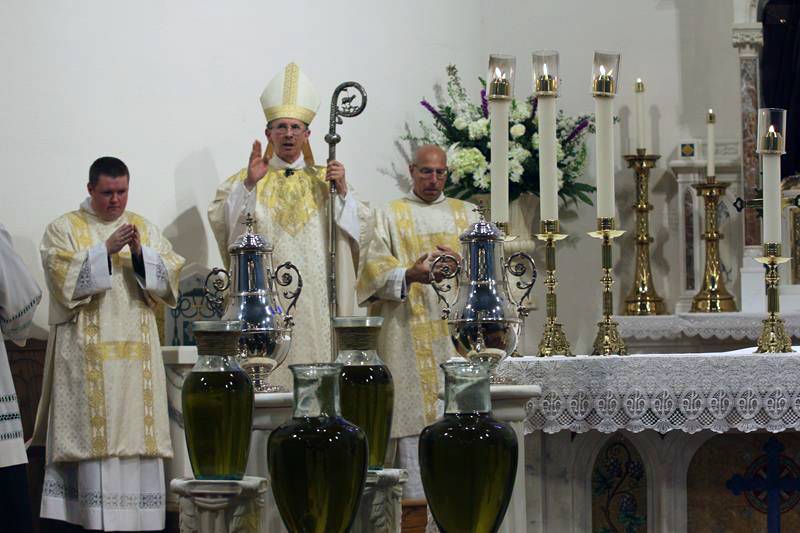
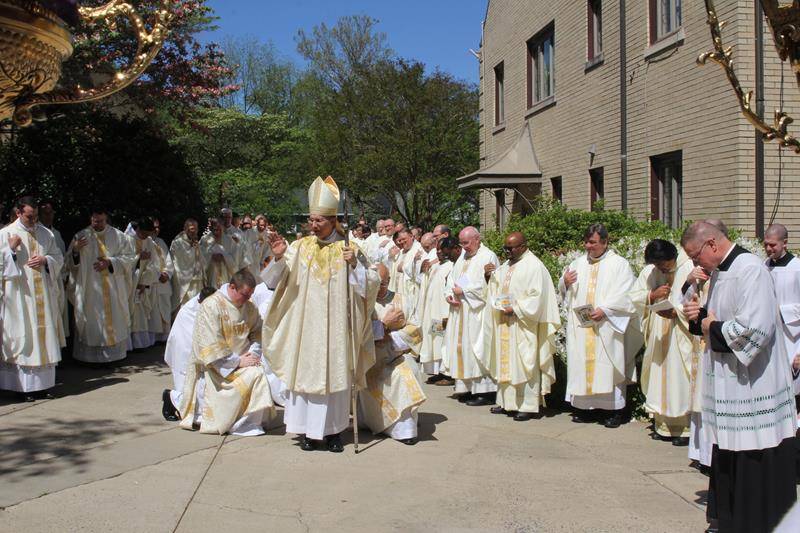
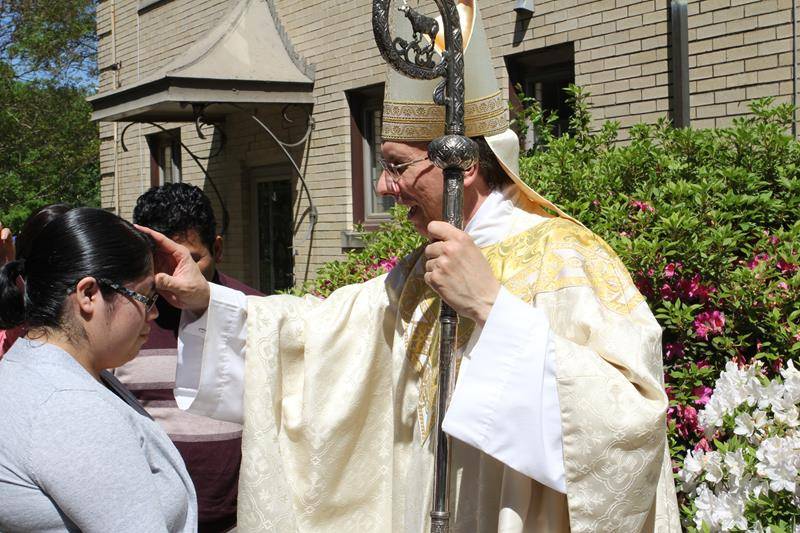
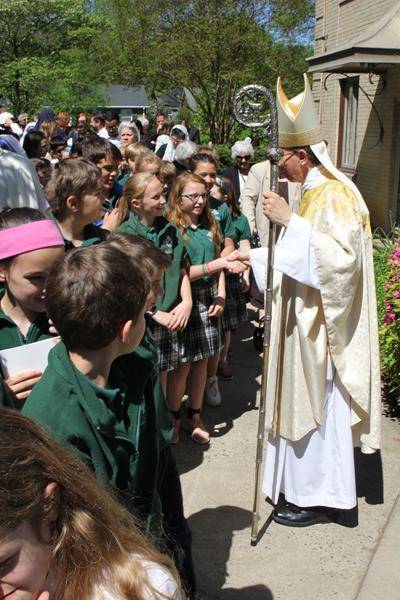
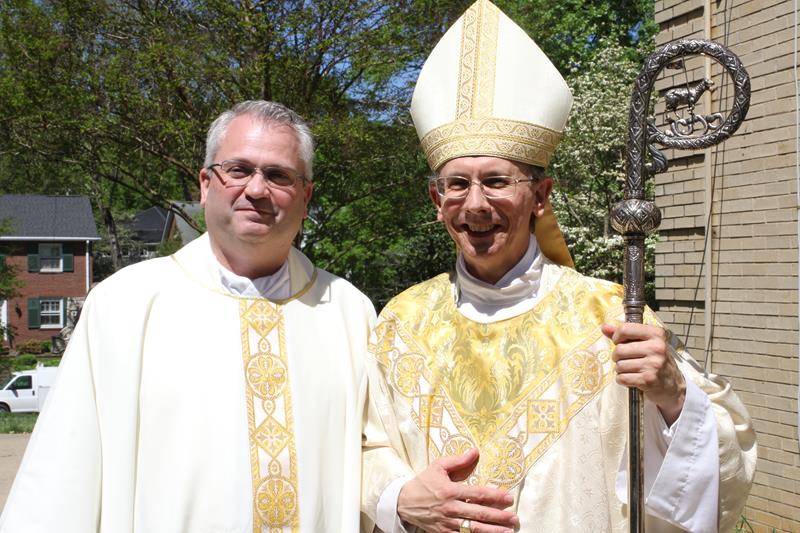
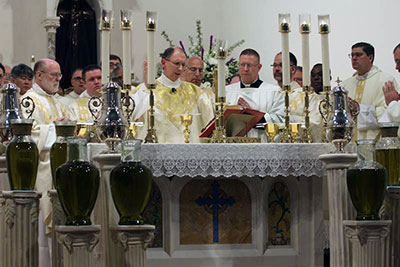
The annual liturgy, a tradition of Holy Week, drew more than 100 priests of the Diocese of Charlotte, members of several religious orders, and several hundred laypeople to St. Patrick Cathedral, where the bishop celebrated Mass and blessed the oils that will be used for the sacraments in every parish over the coming year.
“This day each year the Chrism Mass is about the renewal of our commitment to holiness, as we renew the promises of our priesthood ordination and bless the oils and consecrate the sacred chrism to be used in the sanctification, the holiness of the whole people of God,” Bishop Jugis said.
Priests certainly are called to be holy, the bishop noted in his homily, but Christ calls all people to holiness. Referring to a message Pope Francis gave the American bishops during their retreat last January, Bishop Jugis noted that the pope emphasized that an absolutely essential piece of our response to the clergy sex abuse scandal is holiness, the call to holiness.
“New protocols and procedures are necessary, yes, but they are not enough in themselves because the scandal is more than a management problem, it’s more than an organizational problem,” the bishop said of the pope’s message.
“There must be a commitment to holiness.”
Pope Francis, the bishop said, made “the point by using themes like ‘metanoia’; like acknowledging our need for constant conversion; like letting grace work more effectively within us; like being open to the efficacy and transformative power of God’s Kingdom; and, yes, the very words ‘the call to holiness.’”
“These words the Holy Father addressed to the bishops, but they should also be heeded by everyone – clergy and laity. Everyone in the whole Church, throughout the Church, must respond to the call to holiness because holiness is what restores the beauty of the Church,” Bishop Jugis said.
“So,” he continued, “we all must be resolved to be more united to the Lord Jesus and be more closely conformed to Him. We must all allow ourselves to be called out of spiritual mediocrity and to turn away from any compromise with sin, to greater holiness with Jesus – both in our personal lives and in the life of the Church.”
The priests of the diocese listened intently as the bishop directed his homily to them prior to the renewal of their priestly vows.
“What a wonderful and blessed day this is each year when we come together for the renewal of the promises of our priestly ordination,” Bishop Jugis told them.
The Chrism Mass is “a very powerful witness to the unity of the ordained priesthood,” when priests of various backgrounds and countries of origin come together at the cathedral, united as priests for the Charlotte diocese “and yet all of us, however, sharing in the one priesthood of the High Priest, Christ,” he said. “We are His brothers and all of us are sharing that common brotherhood, a sacred brotherhood in the Lord.”
“It is a beautiful witness, therefore, to the unity across the miles of our common priesthood.”
The Chrism Mass is also a celebration that people anticipate with joy, he said, because it is when the oils used to sanctify people in the sacraments are blessed, “for anointings of various kinds, which comes from the Anointed One Himself, Jesus Christ.”
The oils that the bishop blesses at the Chrism Mass – the oil of the sick, the oil of catechumens and the sacred chrism – are used in the sacraments of baptism, confirmation and anointing of the sick, as well as for ordination of priests and consecration of churches.
“The sanctification of the faithful – that is our duty as priests,” Bishop Jugis emphasized. “Our duty is to sanctify the people of God and to help them to grow in holiness.”
That duty is undertaken, he continued, “through the teaching of the faith, through the proclamation and preaching of the Gospel and the Word of God, through the celebration of the sacraments, through shepherding the faithful in love.”
“That is what we commit ourselves to do in the renewal of our priestly promises,” he told the priests.
Above all, he said, they must take to heart their response to the question which focuses on the holiness of the priest: “Are you resolved to be more united with the Lord Jesus, and more closely conformed to Him?”
“And a second question, serving the holiness of the people of God: ‘Are you resolved to be faithful stewards of the mysteries of God in the Holy Eucharist and the other liturgical rites and to discharge faithfully the sacred office of teaching, serving the holiness of the people of God?’”
It’s “so beautiful the way those two elements come together in very brief questions that are asked of us in a few moments; to pay attention to the holiness of the priest and to pay attention to the holiness of the people of God,” Bishop Jugis said.
“That’s our mission, that’s our duty as priests: holiness for everyone, for ourselves included.”
“This day each year the Chrism Mass is about the renewal of our commitment to holiness, as we renew the promises of our priesthood ordination and bless the oils and consecrate the sacred chrism to be used in the sanctification, the holiness of the whole people of God,” he said. “What a wonderful and blessed day to be with Christ Jesus the Lord, the Holy One.”
— SueAnn Howell, Catholic News Herald. Photos by SueAnn Howell, Catholic News Herald and provided by James Sarkis.


Bishop Jugis' Homily Chrism Mass 2019
 “What a wonderful and blessed day this is each year when we come together for the renewal of the promises of our priestly ordination.
This Mass is a very powerful witness to the unity of the ordained priesthood, when we all come together as one in the cathedral church from many different backgrounds, because we are priests incardinated in the Diocese of Charlotte. We are priest members of religious congregations serving in the diocese. We are priests from other dioceses serving in the Diocese of Charlotte. We are priests from many different continents, from many different countries.
And yet, all of us however sharing in the one priesthood of the High Priest, Christ. We are His brothers and all of us are sharing that common brotherhood, at sacred brotherhood in the Lord.
It is a beautiful witness, therefore, to the unity across the miles of our common priesthood.
This Chrism Mass is also such a wonderful, blessed day that everyone looks forward to for the blessing of the oils – the Oil of the Sick, the Oil of Catechumens and the consecration of the Sacred Chrism – all of these oils which are used for the sanctification of the faithful. For anointings of various kinds which comes from the Anointed One Himself, Jesus Christ.
The sanctification of the faithful. That is our duty as priests, the sanctification of the faithful People of God. Through the many ways that we accomplish that. Through the teaching of the faith, through the proclamation and preaching of the Gospel and the Word of God, through the celebration of the sacraments. Through shepherding the faithful in love.
Our duty is to sanctify the People of God and to help them to grow in holiness.
That is what we commit ourselves to do in the renewal of our priestly promises.
If you look closely at those promises that are renewed at this Chrism Mass, they do address the duties of holiness, and it is a duty that we undertake.
First, the duty of the holiness of the priest.
When we respond to the question, ‘Are you resolved to be more united with the Lord Jesus, and more closely conformed to Him?’ … The holiness of the priest.
And a second question, serving the holiness of the people of God; ‘Are you resolved to be faithful stewards of the mysteries of God in the holy Eucharist and the other liturgical rites and to discharge faithfully the sacred office of teaching, serving the holiness of the people of God?’
So beautiful the way those two elements come together in very brief questions that are asked of us in a few moments; to pay attention to the holiness of the priest and to pay attention to the holiness of the people of God.
That’s our mission, that’s our duty as priests, holiness for everyone; for ourselves included.
The Holy Father Pope Francis wrote a letter to the U.S. bishops when we were together on retreat in January at Mundelein.
He wrote that, ‘An absolutely essential piece of our response to the clergy sex abuse scandal is holiness, the call to holiness.’
New protocols and procedures are necessary, yes, but they are not enough in themselves because the scandal is more than a management problem, it’s more than an organizational problem he said.
There must be a commitment to holiness.
He makes the point by using themes like ‘metanoia’, like acknowledging our need for constant conversion, like letting grace work more effectively within us, like being open to the efficacy and transformative power of God’s kingdom, and yes, the very words ‘the call to holiness.’
These words the Holy Father addressed to the bishops, but they should also be heeded by everyone – clergy and laity - everyone in the whole Church, throughout the Church must respond to the call to holiness because holiness is what restores the beauty of the Church.
So we all must be resolved to be more united to the Lord Jesus and be more closely conformed to Him. We must all allow ourselves to be called out of spiritual mediocrity and to turn away from any compromise with sin, to greater holiness with Jesus both in our personal lives and in the life of the Church.
This day each year the Chrism Mass is about the renewal of our commitment to holiness, as we renew the promises of our priesthood ordination and bless the oils and consecrate the sacred chrism to be used in the sanctification, the holiness of the whole people of God.
What a wonderful and blessed day to be with Christ Jesus the Lord, the Holy One."